

Understanding how to express mistakes in Japanese goes far beyond simple translation. Whether you’re learning the language, traveling to Japan, or conducting business, knowing how to discuss errors appropriately is essential for effective communication. The Japanese language offers multiple ways to express different types of mistakes, each with its own cultural nuances and appropriate contexts.
This comprehensive guide will take you through everything you need to know about saying “mistake” in Japanese, from the most basic word to advanced expressions used in formal settings. You’ll learn not just the vocabulary, but also the cultural context that shapes how Japanese people think about and discuss mistakes. This includes understanding the thinking behind how mistakes are perceived and addressed in Japanese society.
Introduction to "Mistake" in Japanese
In Japanese, the concept of “mistake” is more than just a simple word—it’s a reflection of how people communicate, learn, and grow within the language. The most common term, 間違い (まちがい, machigai), covers a broad spectrum of meanings, from a minor slip-up to a misunderstanding. But Japanese doesn’t stop there; it offers a rich vocabulary to describe different types of mistakes, each with its own nuance.
For example, 過ち (ayamachi) refers to a fault or a more serious error, often carrying a sense of responsibility or regret. 誤り (ayamari), on the other hand, is used for inaccuracies or factual mistakes, making it common in academic or technical contexts. By learning these distinctions, you can express yourself more precisely and understand others better, whether you’re reading a Japanese post, translating documents, or having a conversation.
Making mistakes is a natural and essential part of learning any language, and Japanese is no exception. The language even provides specific phrases for correcting errors, such as 誤りを正す (ayamari o tadasu), meaning “to correct a mistake.” Embracing these terms in your vocabulary not only helps you communicate more effectively but also encourages a positive attitude toward learning and self-improvement. Remember, every mistake is a step forward on the road to mastering Japanese.
Basic Translation: 間違い (Machigai)
The most fundamental word for “mistake” in Japanese is 間違い (machigai). This versatile noun serves as the go-to term for expressing errors, blunders, and mishaps in both casual and formal situations.
Pronunciation guide: mah-chee-guy with emphasis on the first syllable
Written forms:
-
Hiragana: まちがい
-
Kanji: 間違い (most common in written Japanese)
The character 間 means “between” or “interval,” while 違 means “different” or “wrong.” Together, they literally translate to “a difference between what should be and what is.” A mistake can refer to a wrong action, word, or even a thing that is misunderstood or misidentified.
Example sentence: 私は間違いをした (Watashi wa machigai wo shita) - “I made a mistake”
This basic construction uses the particle を (wo) to mark 間違い as the direct object of the verb した (shita, past tense of “to do”). This phrase works in most situations where you need to acknowledge an error.

Common Phrases with “Mistake” in Japanese
Once you understand the basic word machigai, you can create more sophisticated expressions by combining it with different particles and auxiliary words. These phrases are essential for natural-sounding Japanese conversation.
間違って (machigatte) - “by mistake” or “accidentally” This adverbial form indicates something was done unintentionally. The っ sound (small tsu) creates a pause that emphasizes the accidental nature.
Example: 間違って彼女の電話番号を削除した (Machigatte kanojo no denwa bangou wo sakujo shita) - “I accidentally deleted her phone number”
Mistakes often happen when working with a list of vocabulary words, so it's useful to know how to talk about correcting a mistake in a list.
間違いなく (machigai naku) - “without mistake” or “certainly” This phrase expresses absolute certainty, literally meaning “without mistake.” It’s commonly used to emphasize confidence in a statement.
Example: 彼は間違いなく来る (Kare wa machigai naku kuru) - “He will definitely come”
間違いない (machigai nai) - “no mistake” or “definitely” Similar to the above but more casual. Often used as a standalone phrase to show agreement or confirmation.
Example: これは間違いない事実だ (Kore wa machigai nai jijitsu da) - “This is an undeniable fact”
大きな間違い (ookina machigai) - “big mistake” or “serious error” When you need to emphasize the severity of an error, this phrase conveys that the mistake was significant and potentially consequential.
Example: それは私の大きな間違いでした (Sore wa watashi no ookina machigai deshita) - “That was a big mistake on my part”
Alternative Words for “Mistake” in Japanese
Japanese offers several alternatives to machigai, each with distinct connotations and appropriate usage contexts. Understanding these nuances helps you communicate more precisely and appropriately.
ミス (misu) - borrowed from English “miss” This loanword from English is used primarily for small, everyday errors. It sounds casual and modern, making it popular among younger Japanese speakers.
Usage context: Minor errors at work, sports mistakes, small oversights Example: タイプミス (taipu misu) - “typing mistake”
過ち (ayamachi) - formal term meaning “fault” or “transgression” This word carries moral weight and suggests wrongdoing that goes beyond simple error. It’s often used in formal apologies or when discussing serious mistakes with ethical implications.
Usage context: Moral failings, serious personal errors, formal apologies Example: 私の過ちをお許しください (Watashi no ayamachi wo oyurushi kudasai) - “Please forgive my transgression”
誤り (ayamari) - formal word for “error” or “inaccuracy” This term is commonly used in academic, technical, and professional contexts. It suggests factual incorrectness rather than moral failing. In these settings, 誤り (ayamari) is often used when giving an account of an error or explaining the cause of a mistake, especially in reports or analyses.
Usage context: Academic papers, technical documentation, formal reports Example: データに誤りがありました (Deeta ni ayamari ga arimashita) - “There was an error in the data”
失敗 (shippai) - means “failure” While technically meaning “failure,” this word is often used to describe significant mistakes that result in unsuccessful outcomes. It implies not just error, but the failure to achieve a desired result.
Usage context: Project failures, unsuccessful attempts, major setbacks Example: 今回の企画は失敗に終わった (Konkai no kikaku wa shippai ni owatta) - “This project ended in failure”
Verb Forms: How to Say “To Make a Mistake”
Understanding the verb forms related to mistakes is crucial for expressing actions and creating more complex sentences. The primary verbs stem from the same root as machigai but offer different grammatical possibilities.
間違える (machigaeru) - “to make a mistake” or “to be wrong” This is the most common verb form, used when someone actively makes an error or gets something wrong.
Basic conjugation patterns:
-
Present tense: 間違える (machigaeru)
-
Past tense: 間違えた (machigaeta)
-
Negative: 間違えない (machigaenai)
-
Past negative: 間違えなかった (machigaenakatta)
間違う (machigau) - another form meaning “to be mistaken” This verb suggests being in a state of wrongness rather than actively making an error. It’s slightly less common than machigaeru but useful in specific contexts.
Example: 君は間違っている (Kimi wa machigatte iru) - “You are wrong/mistaken”
Polite forms for formal situations:
-
間違えます (machigaemasu) - polite present tense
-
間違えました (machigaemashita) - polite past tense
-
間違えません (machigaemasen) - polite negative
Example sentences showing different contexts:
-
Casual: 道を間違えた (Michi wo machigaeta) - “I took the wrong road”
-
Polite: 計算を間違えました (Keisan wo machigaemashita) - “I made an error in the calculation”
-
Formal: アクセルとブレーキを間違えた (Akuseru to burēki wo machigaeta) - “I mistook the accelerator for the brake”
Sometimes, especially with more subtle or complex mistakes in Japanese, an expert may be needed to identify or correct the error.
Formal and Informal Expressions
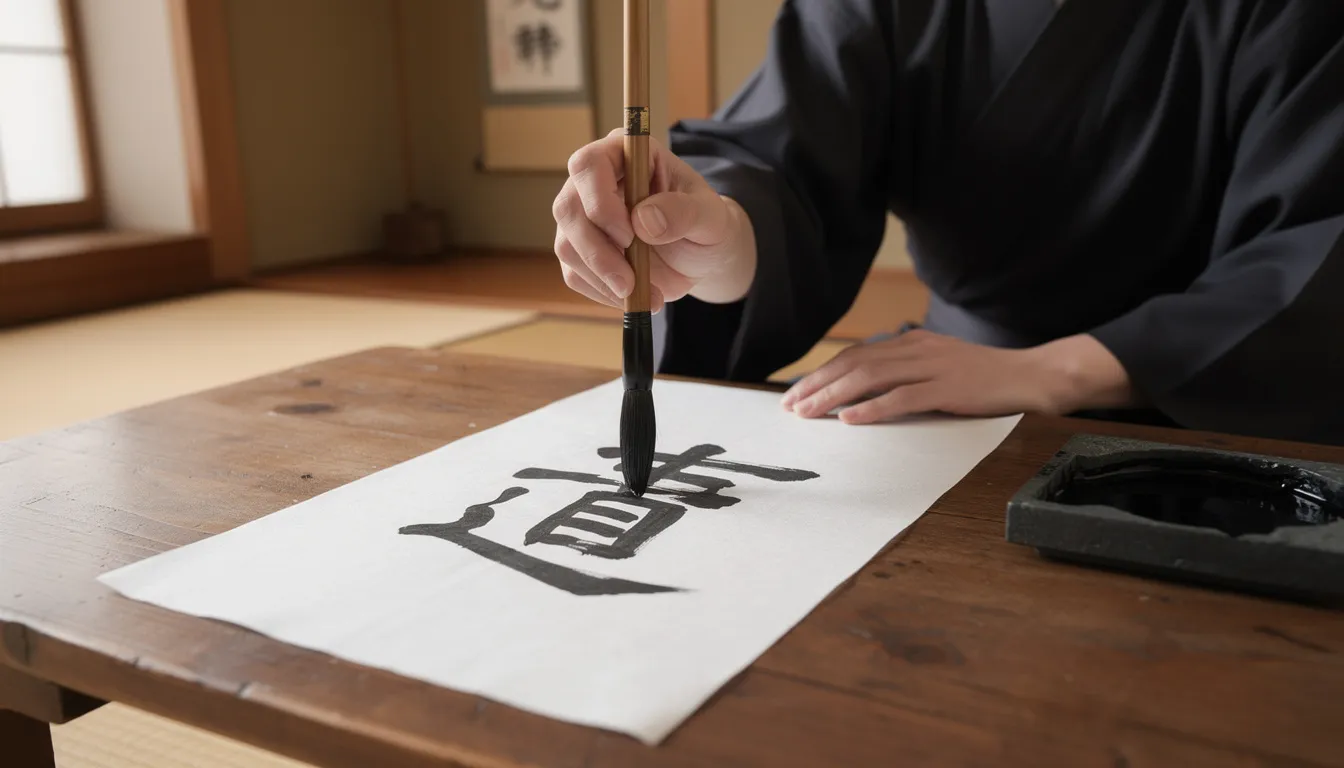
The way mistakes are expressed in Japanese can change dramatically depending on the setting. In formal situations—such as business meetings, official documents, or academic writing—words like 誤り (ayamari) and 過ち (ayamachi) are preferred. These terms convey a sense of seriousness and respect, especially when acknowledging a significant or “big mistake” (大きなミス, ookina misu). Using the right Japanese translation in these contexts shows professionalism and cultural awareness.
In everyday, informal conversations, Japanese speakers often use more casual expressions. For instance, ちがう (chigau) simply means “wrong” or “different,” and is commonly used to point out a mistake in a friendly way. The verb 間違える (machigaeru) is also frequently used to say “to make a mistake” in a relaxed setting. If someone makes a small error, a friend might just say 違う (chigau) to gently correct them.
Understanding when to use formal or informal language is key to effective communication in Japanese. Whether you’re writing a formal email, chatting with friends, or learning new vocabulary, choosing the appropriate word for “mistake” helps you navigate the language with confidence. By recognizing these differences, you’ll not only improve your Japanese skills but also build stronger connections with people in both professional and personal settings.
Cultural Context of Mistakes in Japan
Understanding Japanese attitudes toward mistakes provides crucial insight into when and how to use mistake-related vocabulary appropriately. Japanese culture has complex views on errors that influence daily communication and social interactions.
The concept of 恥 (haji) - shame In Japanese culture, making mistakes can be associated with shame, particularly in public or professional settings. This cultural context means that discussing mistakes often requires careful consideration of face-saving language and appropriate levels of formality.
Educational system perspective Japanese schools traditionally emphasize accuracy and correctness, creating an environment where mistakes are viewed seriously. Students learn to recognize and correct errors as part of the learning process, but there’s often pressure to avoid mistakes entirely.
Workplace culture and admitting mistakes In Japanese business culture, acknowledging mistakes quickly and appropriately is valued. The phrase 申し訳ございません (moushiwake gozaimasen) - “I deeply apologize” - is commonly used when admitting errors in professional settings.
Learning from mistakes: 失敗は成功の元 (shippai wa seikou no moto) This proverb, meaning “failure is the foundation of success,” reflects a more positive Japanese attitude toward mistakes as learning opportunities. Despite the cultural pressure to avoid errors, there’s also recognition that mistakes are part of growth.
Social etiquette for pointing out mistakes When correcting someone else’s mistake in Japanese culture, indirectness and politeness are essential. Rather than directly saying “you’re wrong,” Japanese speakers often use softening expressions and suggestions.

Common Big Mistake-Related Expressions in Japanese
Advanced learners should familiarize themselves with idiomatic expressions that incorporate mistake vocabulary. These phrases appear frequently in both spoken and written Japanese and demonstrate sophisticated language use.
人間は間違いを犯すものだ (ningen wa machigai wo okasu mono da) Translation: “Humans make mistakes” or “To err is human” This philosophical statement acknowledges the universal nature of human error. The verb 犯す (okasu) means “to commit,” adding gravity to the mistake.
間違いを正す (machigai wo tadasu) Translation: “to correct a mistake” This formal expression is used in professional and academic contexts when discussing the process of fixing errors. The verb 正す (tadasu) means “to correct” or “to rectify.”
取り返しのつかない間違い (torikaeshi no tsukanai machigai) Translation: “irreversible mistake” or “mistake that cannot be undone” This phrase describes serious errors with permanent consequences. The expression 取り返しのつかない literally means “cannot be taken back” or “cannot be undone.”
勘違い (kanchigai) Translation: “misunderstanding” or “wrong impression” This compound word combines 勘 (kan, intuition) with 違い (chigai, difference/wrong), describing mistakes based on misperception rather than factual error.
Context examples:
-
Business: この取り返しのつかない間違いを避けるために (Kono torikaeshi no tsukanai machigai wo sakeru tame ni) - “In order to avoid this irreversible mistake”
-
Daily conversation: それは勘違いです (Sore wa kanchigai desu) - “That’s a misunderstanding”
Grammar Patterns with Mistake Words
Mastering the grammatical patterns associated with mistake vocabulary allows for more sophisticated expression and clearer communication. These patterns are essential for intermediate and advanced Japanese learners.
Xと間違える (X to machigaeru) - “to mistake X for something else” This pattern uses the particle と (to) to show what was mistaken for something else. Example: 塩を砂糖と間違えた (Shio wo satou to machigaeta) - “I mistook salt for sugar”
間違いやすい (machigai yasui) - “easy to make mistakes with” The suffix やすい (yasui) attached to the stem of machigai creates an adjective meaning “prone to mistakes” or “error-prone.” Example: この漢字は間違いやすい (Kono kanji wa machigai yasui) - “This kanji is easy to get wrong”
間違いを犯す (machigai wo okasu) - formal way to say “commit a mistake” This formal construction uses the verb 犯す (okasu, to commit) and is often used in serious or official contexts. Example: 重大な間違いを犯した (Juudai na machigai wo okashita) - “I committed a serious mistake”
Particle usage patterns:
-
を (wo): marks the mistake as direct object - 間違いを見つけた (machigai wo mitsuketa) - “found a mistake”
-
が (ga): marks the mistake as subject - 間違いがある (machigai ga aru) - “there is a mistake”
-
に (ni): indicates direction or target - 間違いに気づいた (machigai ni kizuita) - “noticed a mistake”
Conditional forms: もし間違えたら (moshi machigaetara) - “if I make a mistake” The conditional form allows you to discuss hypothetical mistake scenarios, useful for planning and preparing for potential errors.
Example: もし間違えたら、すぐに教えてください (Moshi machigaetara, sugu ni oshiete kudasai) - “If I make a mistake, please tell me immediately”
Advanced pattern with から (kara) - because of mistakes: 間違いから学ぶ (machigai kara manabu) - “to learn from mistakes” This pattern emphasizes mistakes as sources of learning and improvement.
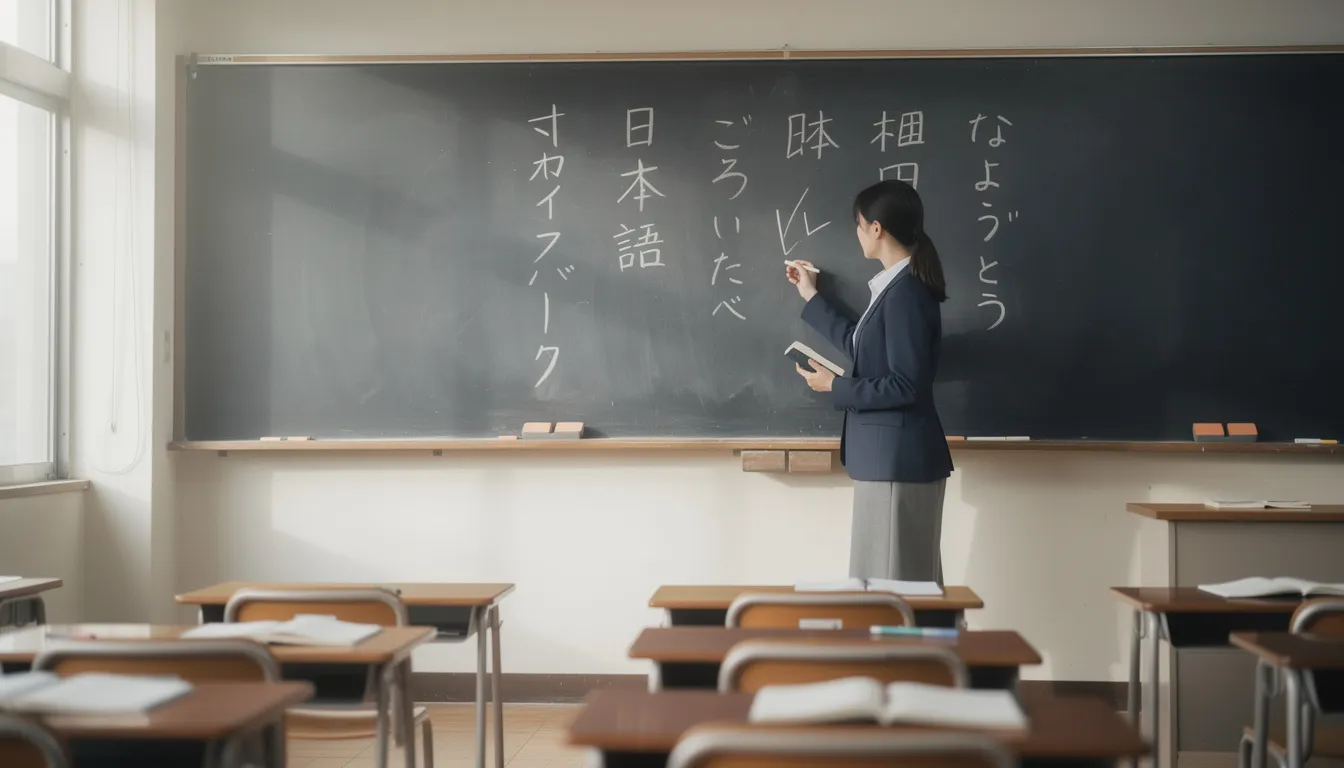
The complexity of expressing mistakes in Japanese reflects the language’s nuanced approach to communication and cultural sensitivity. From the basic word machigai to sophisticated grammatical patterns, each form serves specific purposes in different social and professional contexts.
Remember that making mistakes is an inevitable part of learning Japanese, and now you have the complete vocabulary to navigate mistake-related conversations appropriately. Whether you need to admit an error, point out someone else’s mistake politely, or discuss the learning process, these expressions will help you communicate with cultural awareness and linguistic precision.
The key to using this vocabulary effectively lies in understanding not just the translations, but the cultural context that shapes when and how each expression is appropriate. Practice these phrases in context, and you’ll find that discussing mistakes in Japanese becomes a natural part of your language skills.
As you continue your Japanese learning journey, think of each mistake as an opportunity to apply this new vocabulary practically. After all, as the Japanese proverb reminds us, 失敗は成功の元 - failure is the foundation of success. For more tips, check out these common mistakes to avoid when learning Hiragana.