

Understanding thailand slang opens doors to authentic conversations with Thai people and provides deeper insight into thai culture. While formal thai language serves important purposes, slang words represent the vibrant, evolving heart of how young Thais actually communicate in their daily lives. Whether you’re planning to learn thai or simply want to connect more naturally with Thai friends, mastering these informal expressions will dramatically improve your cultural understanding.
Learning Thai slang is an important part of immersing yourself in a new language, helping to bridge cultural gaps and making interactions more genuine.
When starting to learn Thai slang, it's essential to begin with the first word or greeting, as it serves as a foundational phrase and a cultural introduction to the language.
Thai slang words constantly evolve through social media, pop culture influences, and generational changes. From casual relationships to internet communication, these expressions reflect the dynamic nature of modern Thailand while maintaining connections to traditional thai culture. This comprehensive guide will teach you essential thai slang, proper usage contexts, and cultural considerations that every foreigner should understand.

What is Thai Slang?
Thai slang words are called คำสแลง (kham sà-laeng), a term literally borrowed from the english word “slang.” These informal expressions are primarily used by young Thais and specific social groups, representing a departure from standard Thai grammar and formal language rules. Unlike the structured thai script taught in textbooks, slang reflects how the thai language naturally evolves through everyday conversations.
The constantly evolving nature of thai slang means new slang words emerge regularly through social media platforms, pop culture, and generational changes. Some slang terms are based on English nouns, such as the word 'mouth,' which functions as a noun in English and has been adapted into Thai slang to describe gossiping or chatting. Understanding these expressions is essential for grasping casual conversations and thai youth culture. While formal thai phrases maintain their importance in professional and respectful contexts, slang provides the cultural key to understanding how thai people actually communicate among close friends and peers.
Thai slang differs significantly from the standardized Central Thai taught in language schools. Where formal thai language maintains strict tonal patterns and respectful pronouns, slang often simplifies pronunciation, adopts creative word combinations, and embraces more relaxed grammatical structures. Learning how to pronounce slang words correctly is important for effective communication, as proper pronunciation helps you be understood in casual conversations. This linguistic flexibility reflects Thailand’s complex history of language borrowing and regional dialect influences.
The development of modern thai slang demonstrates how language adapts to contemporary communication needs. Some slang words are created because they sound similar to other words, leading to playful or colloquial expressions that convey new meanings or emotions. Internet culture, K-pop influences, and Western media have all contributed new vocabulary and expressions that young Thais seamlessly integrate with traditional thai words. Understanding this evolution helps explain why learning slang requires ongoing attention to current trends rather than memorizing static vocabulary lists.
Essential Thai Slang Words for Daily Conversation
Mastering commonly used Thai slang words provides immediate access to casual conversations and demonstrates cultural awareness. These expressions appear regularly in everyday interactions among Thai people, particularly younger generations who use slang as a natural part of their communication style. Practicing how to speak these slang words in real conversations will help you improve your fluency and sound more natural. These slang words are commonly used when talking with friends in casual settings, reflecting how people communicate in everyday life. Some expressions even relate to 'life' or vitality, highlighting the energy and experience of living that is central to Thai culture.
The following essential slang words represent the foundation of informal Thai language. Each term includes pronunciation guides, literal meanings, and appropriate usage contexts to help learners understand both the word itself and when to use it properly.
|
Thai Slang |
Pronunciation |
Meaning |
Usage Context |
|---|---|---|---|
|
กิ๊ก (gik) |
gìk |
Casual lover/friends with benefits |
Informal relationship discussions |
|
กู (goo) |
guu |
I/me (very casual) |
Only with close friends |
|
มึง (meung) |
mɯ̄ng |
You (very casual) |
Only with close friends |
|
ติ๊งต๊อง (ting tong) |
tíng tɔɔng |
Crazy/silly |
Lighthearted way to describe someone |
|
เก็ต (get) |
gèt |
Get it/understand |
Borrowed from english word |
Positive Expressions and Compliments
Positive thai slang words allow learners to praise and compliment in contemporary, natural ways that resonate with thai youth culture. These expressions commonly appear in conversations about fashion, achievements, and impressive performances. In Thai slang, using two words together can often convey a vibrant or lively personality, reflecting the energetic and spirited qualities of Thai culture.
จ๊าบ (jaap) means “cool,” “awesome,” or “impressive” and functions as a versatile compliment for various situations. You might hear thai people use this word when praising a friend’s outfit, describing an exciting event, or expressing approval of someone’s skills. The pronunciation emphasizes the first syllable with a high tone, making it sound enthusiastic and positive. When you want to show genuine approval, you can add jing jing to your compliment, as in "จ๊าบจริงๆ (jaap jing jing)," to emphasize sincerity or truthfulness.
ปัง (bpang) translates to “stunning,” “on point,” or “slaying” and represents one of the most popular contemporary slang words among young Thais. This term basically means something is exceptionally good or impressive. Thai people commonly use ปัง when describing fashion choices, social media posts, or outstanding performances that deserve recognition.
เริ่ด (rôed) expresses “fabulous,” “fantastic,” or “amazing” and carries a slightly more traditional feel compared to newer slang terms. This adjective works well for describing food, experiences, or achievements that exceed expectations. The word maintains popularity across different age groups, making it a safe choice for learners unsure about generational appropriateness.
ฟาด (fâat) means “spot on,” “nailed it,” or “perfect execution” and typically describes successful completion of challenging tasks. Thai people use this term when someone accomplishes something difficult with impressive skill or precision. Understanding this word helps learners recognize praise for their own efforts to learn thai or accomplish other goals.

Casual Relationships and Social Terms
Understanding relationship-related thai slang proves essential for navigating social conversations and avoiding cultural misunderstandings. These terms reflect modern Thai attitudes toward dating, social status, and personal relationships while maintaining connections to traditional thai culture values. Some slang words are gender-specific, with certain terms used for females and others for males, which can influence social interactions and the way people communicate in different contexts.
กิ๊ก (gik) represents a gender-neutral term for casual lovers or friends with benefits relationships. This commonly used expression acknowledges modern dating patterns while providing a specific thai version of Western relationship concepts. Unlike formal thai pronouns that emphasize respect and hierarchy, this word treats casual relationships matter-of-factly without judgment. When referring to oneself or others in casual relationships, Thai speakers often use slang terms like 'gik' to reflect the informal and nuanced nature of these connections.
เจ้าชู้ (jaow chew) literally means “playboy” or “womanizer” and carries negative connotations when describing someone’s behavior. Thai people use this term to criticize individuals who pursue multiple romantic relationships simultaneously without commitment. The term is often associated with males, but there are also gender-specific insults for females, highlighting how language can reflect social attitudes toward gender roles. Understanding this phrase helps foreigners recognize when conversations turn critical of someone’s romantic choices.
ไฮโซ (high so) comes from the english word “high society” and describes wealthy people or high social status individuals. This borrowed term demonstrates how thai slang incorporates foreign vocabulary while adapting spelling and pronunciation to thai language patterns. The phrase often appears in discussions about lifestyle differences and social hierarchies.
เด็กแนว (dek naew) translates to “trendy young person” or “hipster” and describes individuals who follow fashion trends, alternative culture, or artistic pursuits. This descriptive phrase combines the thai word for child/young person (เด็ก) with a concept of style or trend (แนว), creating a uniquely Thai expression for contemporary youth culture. When discussing pronouns, the formal term for 'male' (pomme) is used in traditional contexts, but in casual speech, more informal or gender-neutral slang terms are preferred, showing the flexibility and social nuance in how people refer to each other.
Internet and Text Slang in Thailand
Digital communication has revolutionized how thai people create and share new slang words through social media platforms, messaging apps, and online communities. In this post, we’ll explore a guide to the most popular internet and text slang terms used in contemporary Thai language, with new expressions constantly emerging from TikTok trends, viral memes, and youth culture innovations.
Popular abbreviations and shortened forms dominate thai social media conversations, where speed and efficiency drive communication preferences. Thai speakers adapt traditional phrases into shorter versions that maintain meaning while reducing typing effort. These modifications often involve dropping syllables, combining words creatively, or adopting english-influenced terms with thai pronunciation patterns. Slang is also frequently used to share what someone has heard or to spread gossip among friends in online conversations.
English-influenced terms like เก็ต (gèt) meaning “get it” or “understand” demonstrate how young Thais seamlessly blend languages in digital spaces. This particular example shows thai script adapted to represent an english word sound, creating a hybrid term that functions perfectly within thai sentence structures while maintaining international cultural connections. Some slang terms are derived from English verbs, emphasizing their action-oriented nature—such as the playful use of the verb เม้าท์มอย (máo mooi) for “to gossip.”
Cute modifications like ชิมิ (chì-mì) evolved from the formal phrase ใช่ไหม (meaning “right?” or “isn’t it?”), showing how internet culture creates playful alternatives to standard expressions. The transformation adds a cute, informal sound that appeals to younger users while serving the same grammatical function as the original phrase.
Platform-specific slang emerges from TikTok trends, Instagram culture, and LINE messaging habits, with each digital space contributing unique vocabulary and usage patterns. Understanding these platform differences helps learners recognize why certain slang words appear more frequently in specific online contexts versus face-to-face conversations.
Thai youth demonstrate remarkable creativity in adapting english words with thai spelling and pronunciation, creating distinctly Thai versions of international concepts. This linguistic flexibility reflects the same borrowing patterns that historically enriched thai vocabulary through contact with Chinese, Khmer, and other languages.

Generational Differences in Thai Slang
Different generations of thai people exhibit distinct preferences for specific slang words and usage patterns, creating linguistic variations that reflect broader cultural and social changes. Understanding these generational differences helps learners choose appropriate expressions for different social contexts and avoid using outdated terms that might sound awkward or inappropriate.
Gen Z versus Millennial thai slang preferences reveal fascinating insights into how social media, global culture, and technological changes influence language evolution. Younger Thais tend to favor shorter, more international expressions that blend easily with english words and social media formats. Meanwhile, older Millennials often prefer slang that maintains stronger connections to traditional thai culture and established linguistic patterns.
The LGBTQ+ community has contributed significantly to mainstream thai slang vocabulary, introducing creative expressions and terminology that eventually gain wider acceptance among thai youth. This community’s linguistic innovations often demonstrate sophisticated wordplay and cultural commentary that enriches the overall thai language landscape.
Regional variations between Bangkok, Northern Thailand, and Southern Thailand create distinct slang ecosystems that reflect local dialects and cultural preferences. Bangkok slang tends to dominate national trends due to media influence, but regional expressions maintain importance in local contexts and demonstrate the diversity of thai culture across different geographical areas.
Traditional slang terms still used by older generations provide insight into thai language history and cultural continuity. These established expressions often carry cultural weight and respect that newer slang lacks, making them valuable for learners who want to connect with Thais across different age groups. Some people miss the older slang expressions that are no longer popular, feeling nostalgic for the language of previous generations.
K-pop and Western pop culture influences have dramatically shaped modern thai slang, introducing new vocabulary, pronunciation patterns, and cultural concepts. These international influences demonstrate how contemporary thailand embraces global culture while adapting foreign elements to fit thai language structures and cultural values.
The speed of slang evolution means that expressions popular among current university students might already sound dated to high school students, emphasizing the importance of staying current with trends when learning contemporary thai slang. Don’t worry if you can’t keep up with every new slang trend—language is always evolving, and it’s normal to miss a few expressions along the way.
Flower Language and Thai Slang
In the colorful world of Thai slang, one of the most charming and culturally unique elements is the use of “flower language,” known in Thai as “pa-sa dok mai” (ภาษา ดอกไม้). This poetic tradition is deeply woven into the fabric of Thai language and culture, offering a creative and romantic way for Thai people to express their feelings. Flower language is especially popular among young people, who use it to convey affection, admiration, or even playful flirtation in a subtle and artful manner.
Unlike direct statements, flower language relies on metaphor, symbolism, and beautiful imagery to communicate emotions. For example, instead of saying “I like you” directly, a Thai person might use a phrase that compares someone to a rare or beautiful flower, turning a simple compliment into a memorable and heartfelt expression. This style of communication reflects the gentle, indirect approach that is often valued in Thai culture, where maintaining harmony and showing respect are important.
In everyday conversations, you might hear Thai slang words that incorporate elements of flower language, especially in messages between close friends or romantic interests. These phrases add a layer of playfulness and creativity to the language, making interactions feel more personal and meaningful. For instance, calling someone “dok mai” (flower) in a sentence is a lighthearted way to compliment their beauty or charm, and it’s a common slang term among Thai youth.
Flower language is not just limited to romantic situations—it can also be used to express gratitude, friendship, or admiration in a poetic way. This tradition highlights the richness of Thai slang and the importance of language as a tool for building connections and expressing emotions in Thai society.
By understanding flower language and its role in Thai slang, learners gain deeper insight into the nuances of Thai communication. It’s a wonderful example of how the Thai language blends tradition, creativity, and modern slang to create expressions that are both meaningful and fun to use. Whether you’re learning Thai for travel, relationships, or cultural appreciation, exploring flower language will add a new dimension to your understanding of Thai slang words and the vibrant culture they represent.
Cultural Context and Usage Guidelines
Understanding when to use slang versus formal thai language requires cultural sensitivity and awareness of social situations, relationships, and appropriate contexts. Proper usage demonstrates respect for thai culture while enabling natural communication with different groups of thai people.
Slang words work perfectly among close friends, casual social gatherings, and informal settings where relaxed communication styles are expected. However, formal situations like business meetings, interactions with elders, conversations with strangers, and official contexts require standard thai language with appropriate levels of politeness and respect. In these settings, it is important to use a polite way to communicate confusion or misunderstandings, ensuring that you maintain courtesy. Polite expressions such as 'excuse me' are commonly used in Thai social interactions and etiquette to gain attention or apologize. Additionally, certain slang words or behaviors may not be accepted in more formal or traditional environments, so understanding what is socially acceptable is essential.
Common Mistakes Foreigners Make
The most common mistake foreigners make involves using overly casual pronouns กู (goo) meaning “I” and มึง (meung) meaning “you” with strangers or acquaintances. These pronouns are exclusively reserved for very close friends and using them incorrectly can seriously offend thai people or create awkward social situations.
Misunderstanding the tone and context of terms like ติ๊งต๊อง (ting tong) leads to inappropriate usage that might insult rather than playfully tease. This word can describe someone as “crazy” in a lighthearted way among friends, and using it in this context can make people laugh, but using it with strangers or in formal contexts would be extremely rude and offensive.
Some slang terms, like 'farang,' which means 'foreigner' or 'Westerner,' are not inherently a bad word in Thai. However, in certain contexts, 'farang' can be used derogatorily, so it's important to be aware of the tone and situation in which it is used.
Timing represents another critical factor where foreigners struggle with slang appropriateness. Using casual slang during formal introductions, business negotiations, or conversations with significantly older thai people demonstrates poor cultural awareness and lack of respect for thai social hierarchies.
Many learners mix outdated slang with current expressions, creating combinations that sound awkward or reveal their foreign status. Sometimes, these combinations can sound weird or unconventional to native speakers. Thai slang evolves rapidly, so terms that were popular five years ago might now sound completely outdated to young thai people.
Foreign learners should exercise extreme caution with potentially offensive terms like ควาย (kwai) meaning “buffalo,” which functions as a serious insult calling someone stupid. Understanding the difference between playful teasing and actual insults requires cultural knowledge that goes beyond simple translation.
The safest approach for foreigners involves observing how thai people use slang in different contexts before attempting to use these expressions independently. Listen carefully to tone, timing, and relationships between speakers to understand appropriate usage patterns.
How to Learn Thai Slang Effectively
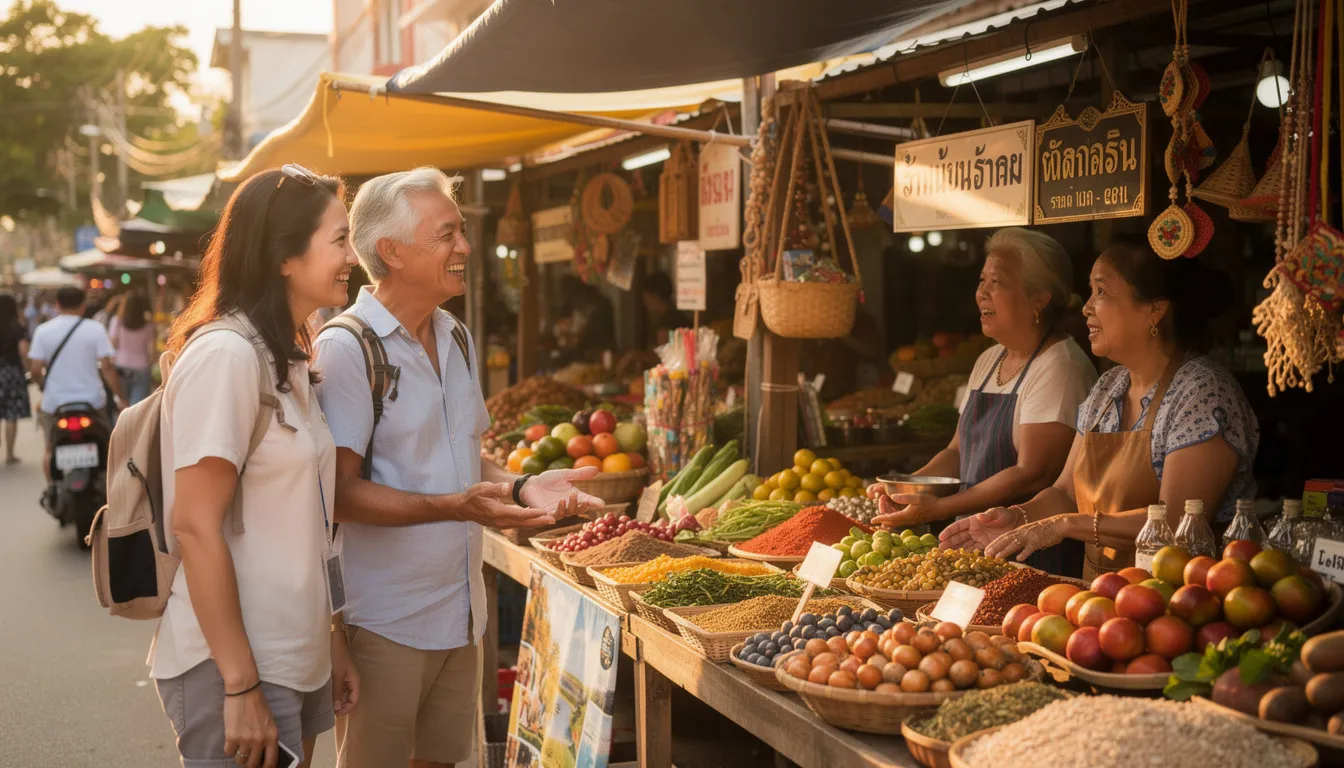
Effective thai slang learning requires immersion in contemporary thai culture through social media, entertainment, and direct interaction with young thai people who naturally use these expressions in daily conversations.
Following thai social media accounts and TikTok creators provides regular exposure to current slang trends and usage examples in natural contexts. Popular thai influencers, comedians, and lifestyle bloggers frequently use contemporary slang, demonstrating proper pronunciation, timing, and contextual appropriateness that textbooks cannot teach.
Watching thai YouTubers and lifestyle content offers authentic examples of how slang functions in natural conversations between thai friends. These videos typically feature unscripted dialogue where speakers use slang spontaneously, providing learners with realistic models for their own usage.
Practicing with young thai friends in casual settings creates safe environments for experimenting with new expressions while receiving immediate feedback on pronunciation and appropriateness. Slang related to money, such as the informal use of 'ตังค์' (money), is commonly used in everyday conversation and can be a fun topic to practice. Native speakers can explain subtle cultural nuances and correct mistakes before they become ingrained habits. Additionally, pay attention to slang like 'ram khaan,' which is used to express annoyance or frustration—these expressions are often heard in informal conversations and are useful for understanding real-life interactions.
Language exchange apps and platforms connect learners with thai people interested in cultural and linguistic exchange. These relationships often develop into friendships where natural slang usage emerges organically through regular conversation practice.
Observing context and reactions when thai people use slang expressions teaches crucial lessons about timing, appropriateness, and cultural sensitivity. Pay attention to who uses which expressions with whom, and notice how people respond to different types of slang usage.
Best Resources for Thai Slang Learning
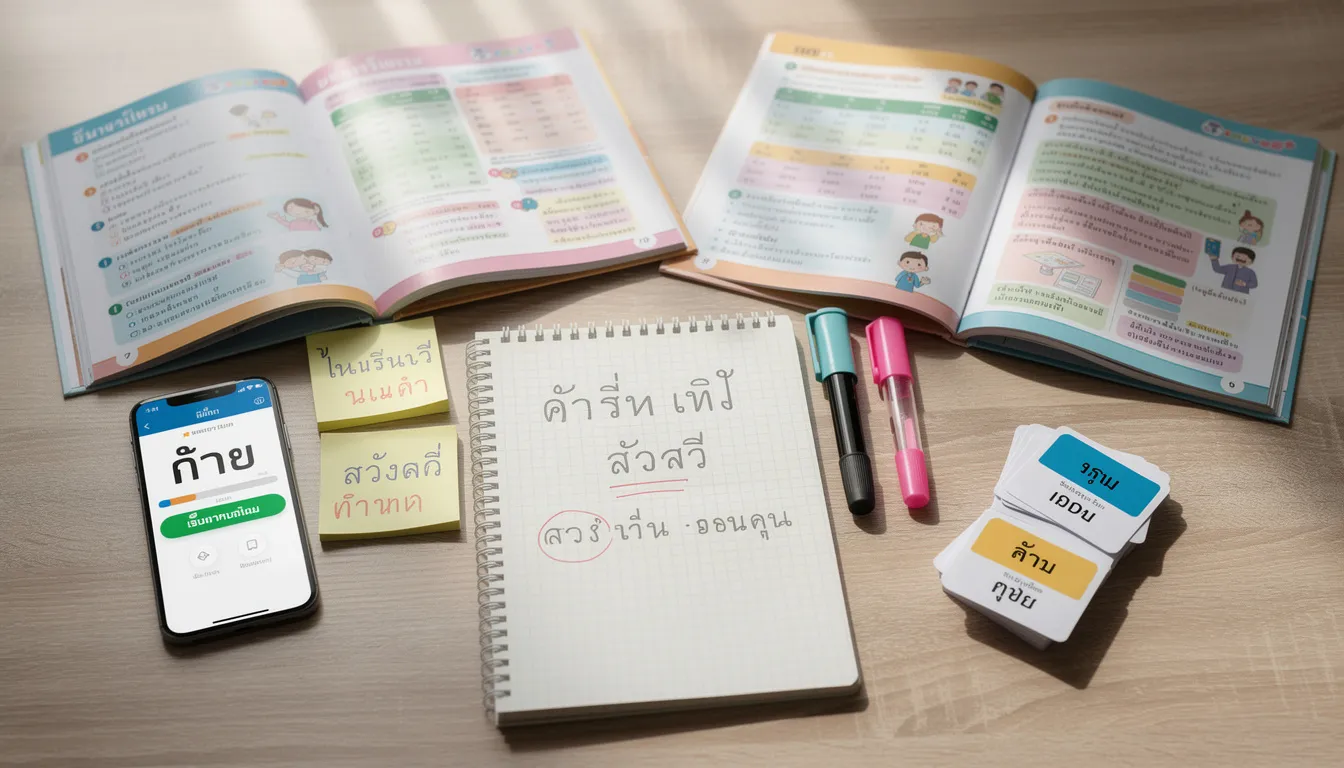
Thai language learning apps increasingly include slang modules that teach contemporary expressions alongside traditional vocabulary. These specialized sections often provide audio pronunciation guides, usage examples, and cultural context that help learners understand both meaning and appropriateness. For example, many apps and YouTube channels introduce common greetings like 'sabai dee mai' as a useful phrase to ask about someone's well-being, reflecting its importance in everyday Thai conversation.
Popular thai YouTube channels featuring contemporary slang include comedy shows, lifestyle vlogs, and young adult content that naturally incorporates informal language. Channels focused on thai culture explanation for international audiences often specifically address slang usage and cultural context. These resources also help learners grasp the sense or emotional tone behind slang expressions, which is crucial for using them appropriately.
Social media accounts that explain new slang trends serve as valuable resources for staying current with rapidly evolving vocabulary. Many thai language teachers and cultural commentators maintain accounts specifically dedicated to explaining new expressions and their proper usage. Learners might encounter playful slang terms like 'lam yai,' which, beyond being the Thai word for longan fruit, is humorously used to describe something frustrating or tiresome in online communities and learning materials.
Thai drama series and movies showcasing authentic slang usage provide entertainment while demonstrating natural conversation patterns. Modern productions targeting younger audiences typically feature realistic slang that reflects actual usage patterns rather than artificially formal dialogue.
Online communities for foreigners learning thai slang offer supportive environments where learners can ask questions, share discoveries, and practice with others facing similar challenges. These communities often include native thai speakers who volunteer to explain cultural context and correct mistakes.
Regular engagement with multiple learning resources ensures comprehensive understanding of thai slang while maintaining awareness of evolving trends and changing usage patterns. Successful slang learning requires ongoing attention rather than one-time study sessions.
Conclusion
Mastering thailand slang represents a significant step toward authentic cultural connection and natural communication with thai people across various social contexts. The essential thai slang words covered in this guide provide a foundation for understanding contemporary thai youth culture while respecting traditional values and appropriate usage boundaries.
Remember that thai slang constantly evolves through social media, generational changes, and cultural influences, making ongoing learning essential for maintaining current knowledge. Practice these expressions carefully with close thai friends before using them in broader social contexts, and always prioritize cultural sensitivity over attempting to sound trendy or cool.
The journey to learn thai slang requires patience, cultural awareness, and respect for the rich linguistic heritage that shapes modern thai language. By understanding both the words themselves and their cultural contexts, foreign learners can build deeper relationships with thai people while demonstrating genuine appreciation for thailand’s vibrant contemporary culture.
Start slowly with the most commonly used expressions, observe how native speakers use them naturally, and gradually expand your slang vocabulary as your understanding of thai culture deepens. With respectful practice and cultural sensitivity, these informal expressions will enhance your thai language skills and cultural connections in meaningful ways.